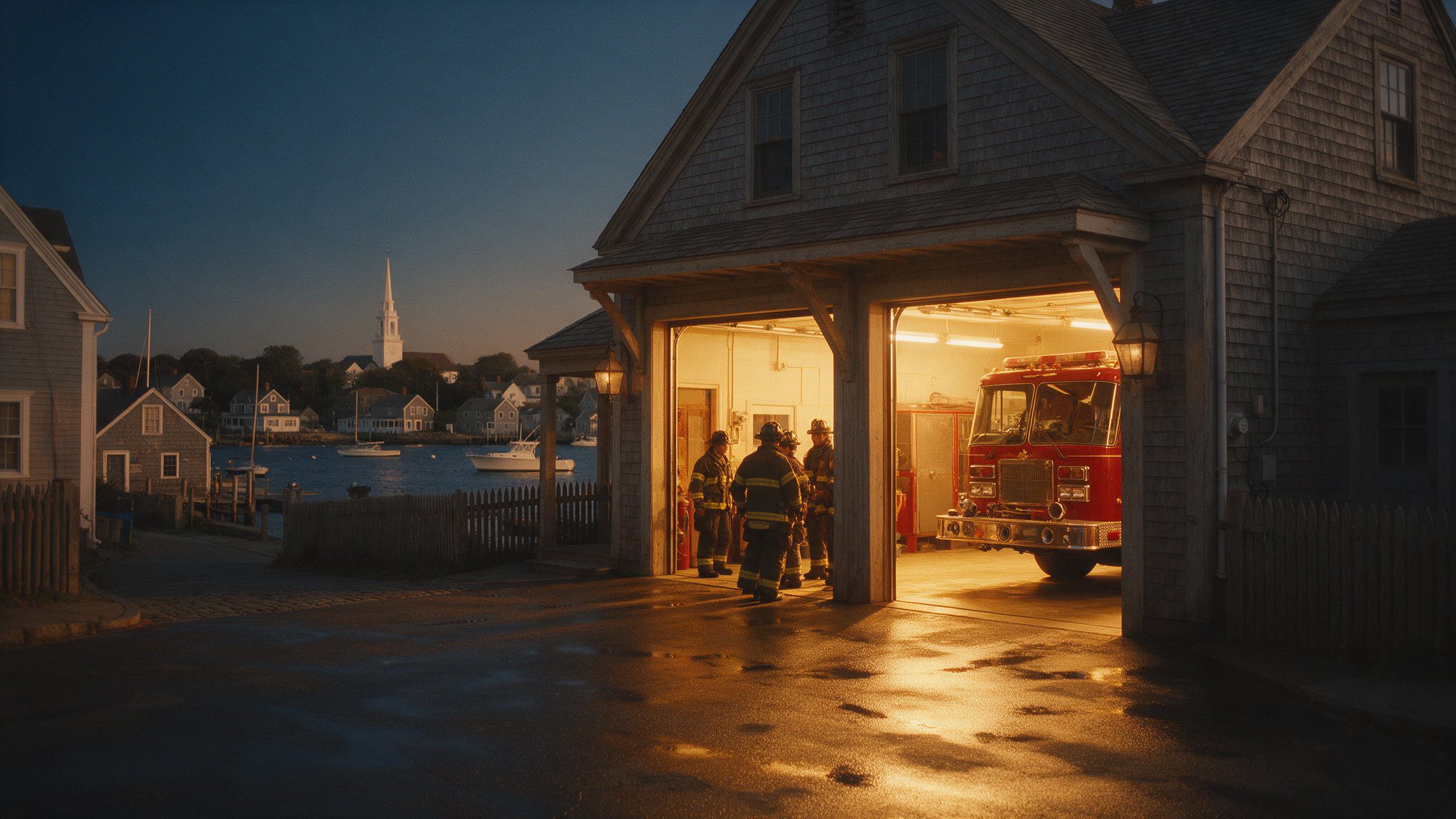
First responder peer support. Since 1989.
The Plymouth County Critical Incident Stress Management Team is a volunteer first responder peer support team of responders and clinicians who care for their own — organized under the Plymouth County Fire and Rescue Training Association.
Who we are
First responder peer support from people who have stood in your boots
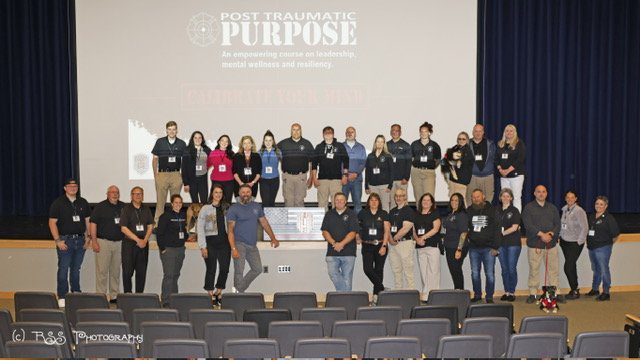
The PCCISM Team is a diverse group of firefighters, company officers, police officers, EMTs and paramedics, dispatchers, nurses, chaplains and licensed mental health professionals who volunteer their time to care for their own. In addition, our members complete nationally recognized training in crisis intervention and first responder peer support, and they continually refresh their skills.
Because our peers have stood in your boots, they understand the culture, the schedules and the realities of high-risk work. Likewise, our clinicians are specifically selected for their knowledge of responder culture and evidence-informed crisis care.
Our mission
To reduce the emotional impact of traumatic events on first responders, prevent long-term stress injuries, and support a healthy return to work and home. We do this through peer-based crisis intervention, education, and connection to culturally competent care.
Our vision
A responder community in Plymouth County where psychological safety is part of everyday operations, where leaders and peers recognize stress sooner, and where help is embraced as a sign of strength.
Our promise
Confidential. Voluntary. Non-investigative. Culturally competent. We show up, we listen, and then we follow up — and we never use what you share to assign blame or critique operations.
Our approach
The CISM system
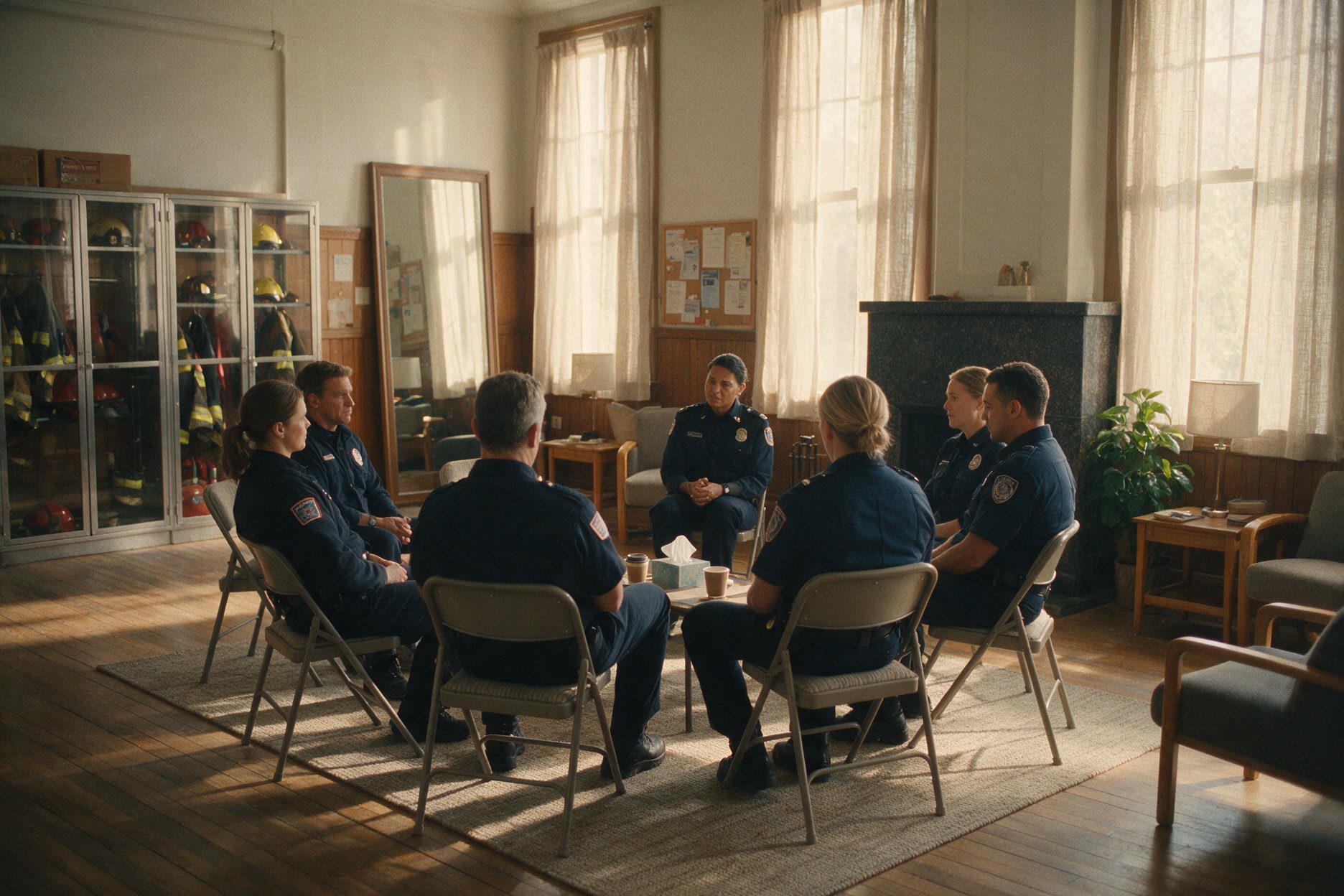
We use the internationally taught Critical Incident Stress Management model — a flexible, tiered system that matches the right intervention to the right audience at the right time. For example, components include demobilizations, defusings, CISD debriefings, one-on-one peer support, crisis management briefings, family and community briefings, and follow-up and referral.
What CISM is — and is not
- Is: immediate, practical support; education about common reactions; normalization; connection; hope; and referral when needed.
- Is not: an investigation, an operational critique, or psychotherapy. It never replaces professional treatment when that is indicated.
Evidence-informed
CISM reflects decades of field use across fire, law enforcement, EMS, military and healthcare. Research and practice emphasize that support should be timely, simple and connected to the environment in which responders work. Therefore, PCCISM embraces ongoing learning, quality improvement and collaboration with subject-matter experts.
Activation & response protocol
How to request first responder peer support
Call or email
Call (781) 983-4565 (24/7) or 508-830-6223, or email plymouthcountycism@gmail.com for scheduled services.
Describe the incident
Next, give a brief description, date and time, involved units, and any immediate concerns — for example injuries, fatalities, media attention or line-of-duty impacts.
Name a point of contact
Then name someone for scheduling and location logistics.
We assess and assemble
Finally, we recommend interventions and assemble an appropriate peer and clinician team.
After the response
We don’t disappear
- First, we supply handouts and resource lists for participants and families.
- Then we provide follow-up check-ins and additional services if requested.
- Also, we can assist leaders in communicating with staff and the community after high-impact events.
Integration with incident command
PCCISM coordinates with command staff so that the support we provide aligns with operational needs. Likewise, we assist PIOs and leadership with internal messaging after high-profile events, and we can help plan relief, rotation and family coordination while maintaining strict separation from investigative processes.
Local & regional resources
We maintain a vetted network of clinicians, chaplains and support programs familiar with responder culture, including options for spouses, partners and children. On request, we’ll share a current resource list and help with warm hand-offs.
Ethics, privacy & safety
Trust is the whole job.
Confidentiality
Conversations in CISM settings are held in confidence within the limits of safety and applicable law. In addition, members are trained on best-practice confidentiality, mandatory-reporting boundaries and cultural sensitivity.
Non-investigative
Sessions are never used to assign blame or critique operations. Instead, we stay strictly separate from investigative processes.
Voluntary
Attendance is encouraged but voluntary for participants directly involved in an event, unless agency policy dictates otherwise. Therefore, we coordinate with leadership to respect this principle.
Culturally competent
We respect diversity of background, identity and belief. Chaplains and clinicians are also available upon request.
Regional partners
Part of a statewide first responder peer support network

Request assistance
Not sure if it’s “bad enough” to call? Call anyway.
One conversation with a peer who gets it. No report, no record, no judgment. And if we’re not the right fit, we’ll connect you with someone who is.
24 hours a day · 7 days a week · Peer-to-peer