First responder sleep & self-care. Recovery is part of the job.
Shift work, night calls and the occasional bad one all take a toll. This guide covers first responder sleep, the first 48 hours after a hard call, and the small daily habits that keep stress from piling up. Nothing fancy, just what works.
Sleep
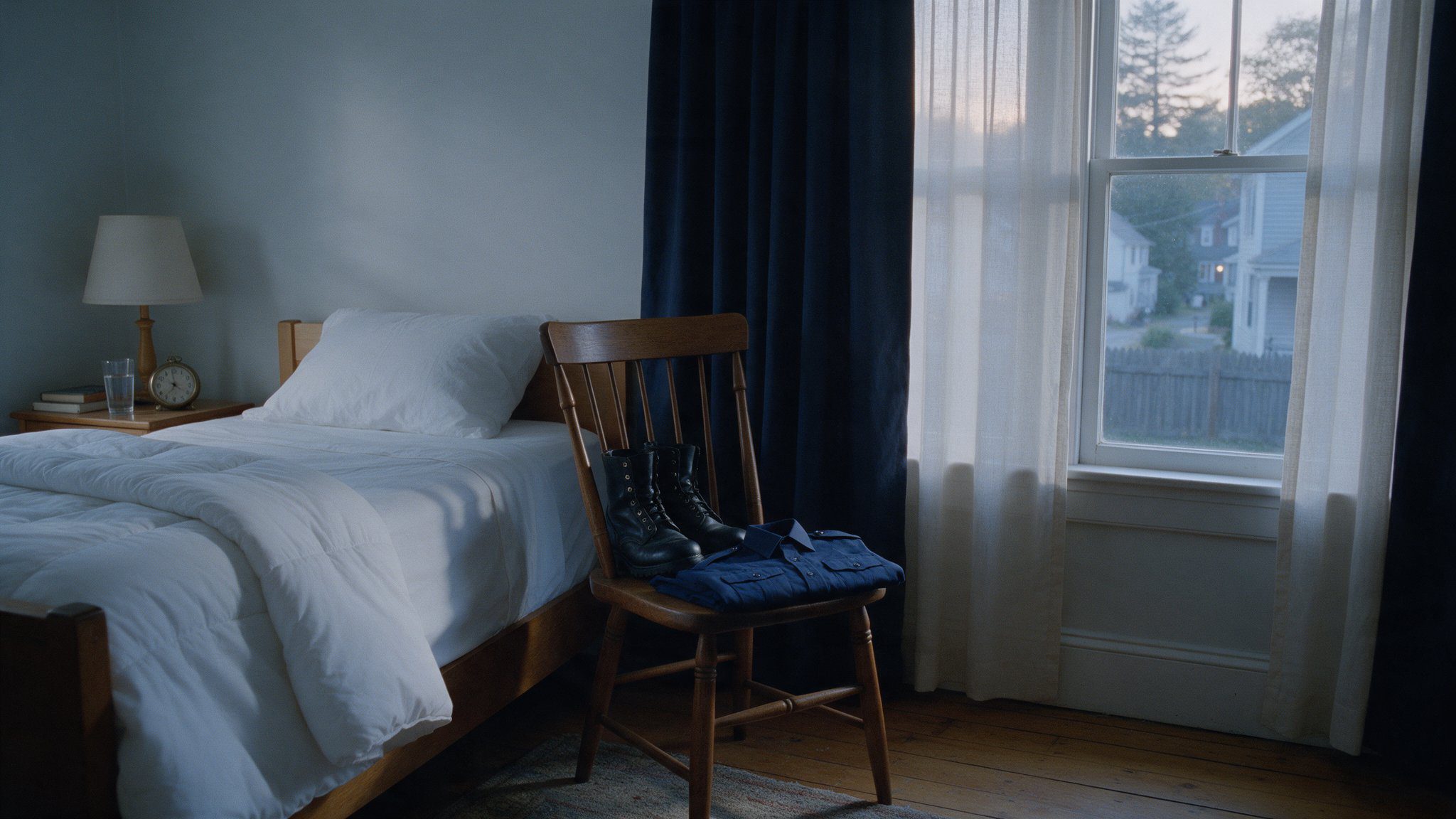
First responder sleep: six habits that actually move the needle
Poor sleep makes every other reaction worse: irritability, intrusive images, slow decisions. In fact, fixing first responder sleep is often the single most effective thing a crew can do for its mental health.
After a hard call
The first 48 hours: self-care and first responder sleep after a critical incident
- Move, then rest. Light exercise within the first day burns off stress hormones. After that, rest with the lights low.
- Expect broken sleep for a few nights. That is normal. If it is still broken after two weeks, call us.
- Eat on schedule, even if you are not hungry. Blood sugar swings make everything feel worse.
- Talk to one person. A peer, a partner, a friend. Talk is the most healing medicine, and it also helps you sleep.
- Skip the big decisions. Do not quit, buy, sell or break up in the first week after a bad call.
- Let the images come and go. Fighting intrusive thoughts keeps them around. Instead, notice them, breathe out slowly, and let them pass.
A two-minute reset you can do in the rig
- Breathe in through your nose for four counts.
- Hold for four.
- Breathe out through your mouth for six.
- Repeat for two minutes, or until your shoulders drop.
Tactical breathing works because a long exhale tells your nervous system the threat has passed. Use it before you walk in the door at home, too.
Everyday maintenance
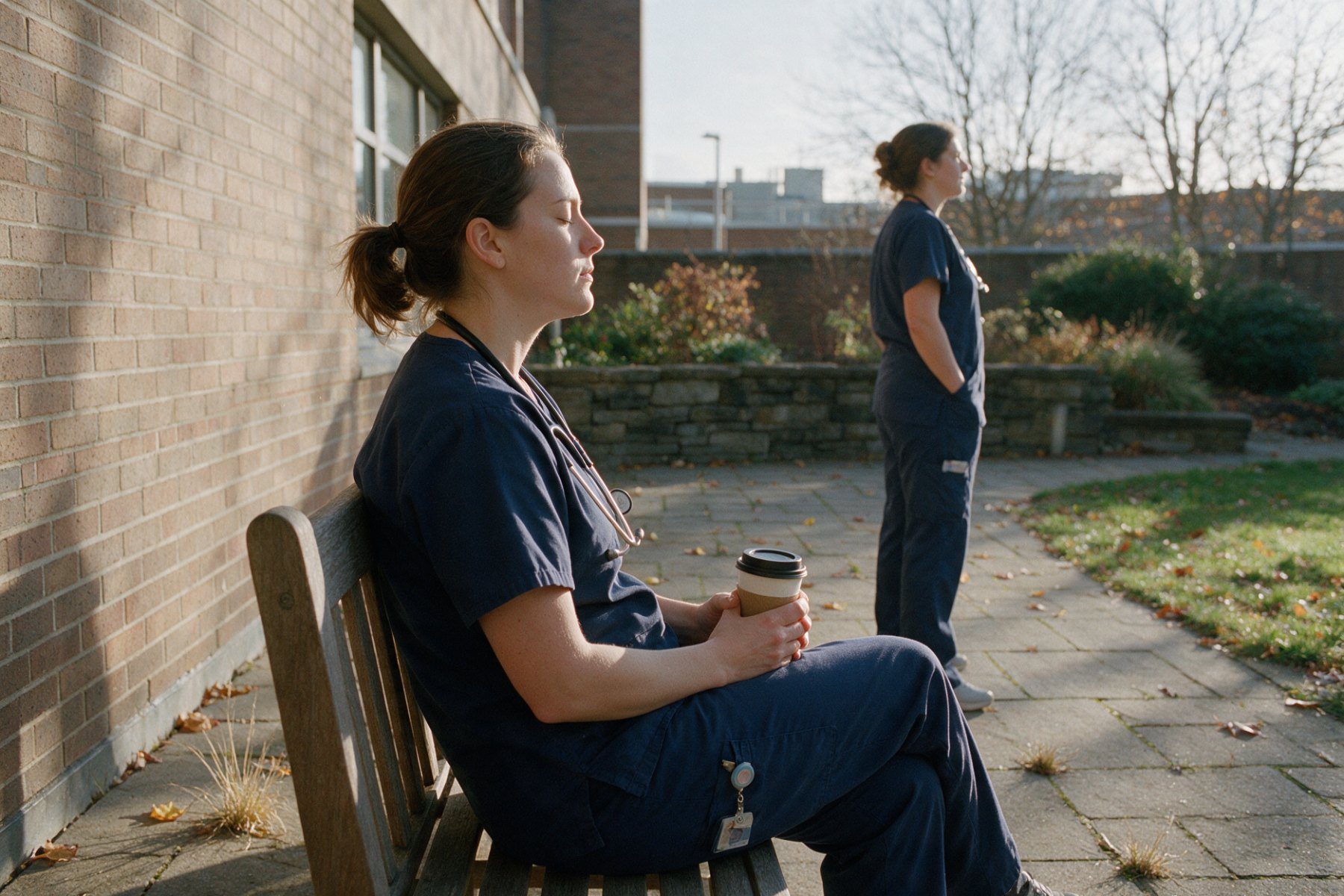
Small habits that keep stress from stacking up
Nobody falls apart from one call. Instead, people wear down from a hundred calls with no recovery in between. Consequently, the goal is not to feel nothing, but to recover between exposures.
- Keep one thing that is not the job. A sport, a boat, a garden, a band. Something with no radios.
- Protect your people. Dinner with the family, coffee with a friend who is not a responder, a call to a parent.
- Check on the quiet one. Crews that look out for each other have better first responder sleep, fewer injuries and lower turnover. That is not a slogan; it is what the data shows.
- Know your own warning signs. For most people it is one of three: sleep, temper or drinking. Pick yours and watch it.
When self-care is not enough
If sleep stays broken for more than a month, if you are drinking to get there, or if you have thoughts of not wanting to be here, that is the moment to call. (781) 983-4565 any hour, or 988.
Request assistance
Sleep still broken weeks later? That’s a reason to call.
One conversation with a peer who gets it. No report, no record, no judgment.
24 hours a day · 7 days a week · Peer-to-peer