
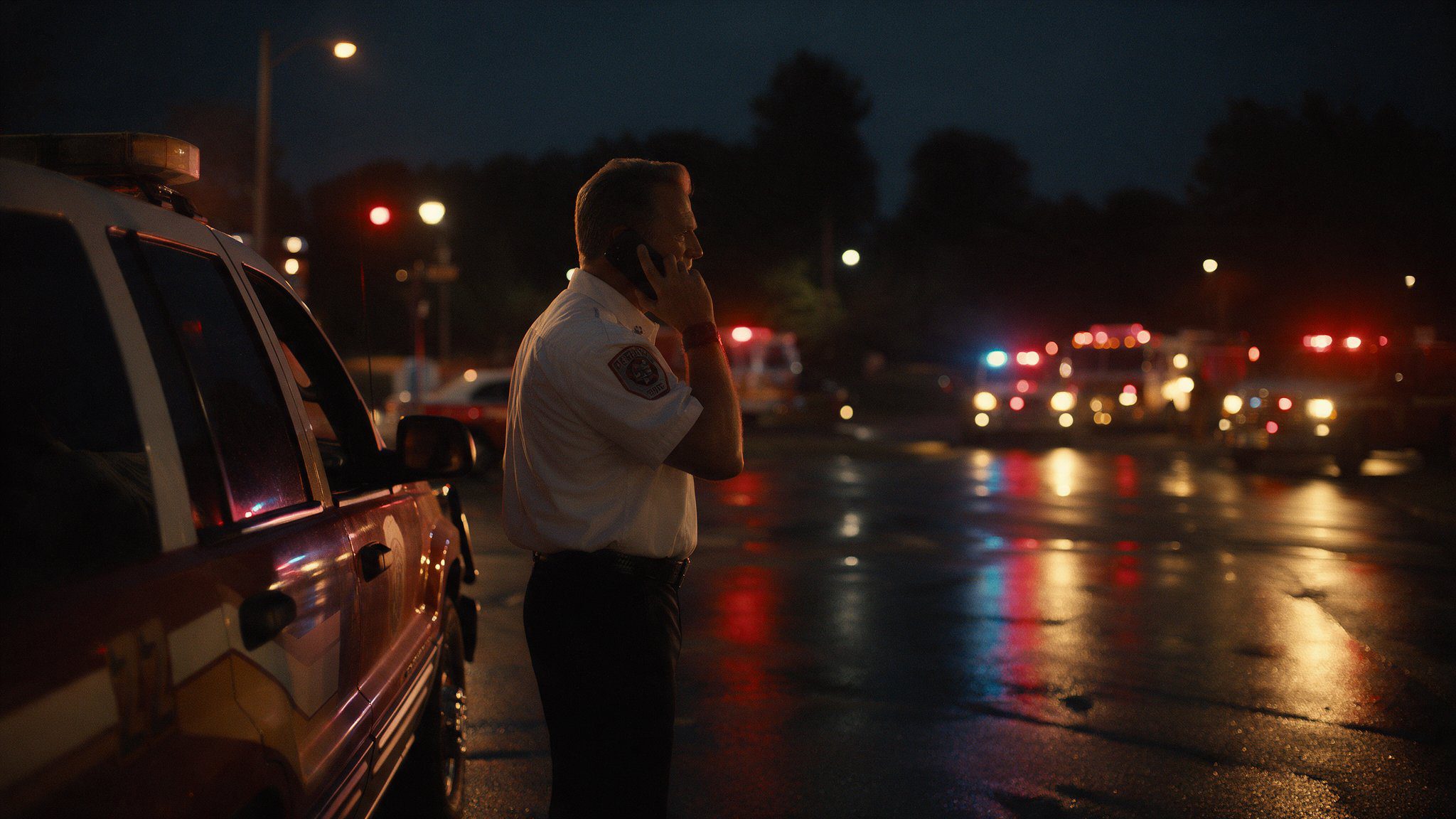
Request a critical incident debriefing. One call activates the team.
For chiefs, supervisors, union stewards and dispatch leads: this page explains when to request a critical incident debriefing, what happens after you call, and how to prepare your crew. The line is answered 24/7 at (781) 983-4565.
When to call
When should a leader request a critical incident debriefing?
A critical incident is any event with the power to overwhelm a responder’s usual coping skills. Importantly, you do not need to be sure. If you are asking the question, call and let us help you decide.
Line-of-duty death or serious injury
Any death or serious injury of a responder, including off-duty deaths and suicide.
Death of a child
Pediatric fatalities, SIDS calls and child abuse cases hit crews hard, even veteran ones.
Events with prolonged or failed rescue
Extended extrications, drownings and failed resuscitations where the crew knew the patient.
Mass-casualty or high-profile incidents
Multiple fatalities, incidents with heavy media attention or community outrage.
Violence toward responders
Officer-involved shootings, assaults on crews, threats to families.
Anything that feels different
If a call is still being talked about in the bay the next day, that is reason enough.
What happens after you call
From your call to the critical incident debriefing
Call the line
Call (781) 983-4565 any hour. A peer answers, not a voicemail. Tell us who you are, your agency and a callback number.
Brief us in two minutes
Next, give the date, time and type of incident, the units involved, and any immediate concerns such as injuries, fatalities, media or family notifications.
We recommend the right response
Then a coordinator matches the response to the event: a one-on-one, a defusing, a formal critical incident debriefing, or a crisis management briefing for a larger group.
We assemble a team
Peers from the same discipline as your crew, plus a clinician when the event calls for one. Also, we never send someone who was on the call.
You pick the time and place
Finally, name a point of contact for logistics. We come to your station, your training room or a neutral site, on any shift.
Typical timing
- Defusing: a 20–45 minute conversation, ideally within 8–12 hours of the event, often before the crew goes home.
- Critical incident debriefing: a structured 1–3 hour group session, usually 24–72 hours after the incident, once the operational pieces are done.
- Follow-up: check-ins in the days and weeks after, plus referrals when someone needs more.
These follow ICISF guidelines, not rules. In other words, late is far better than never.
Call (781) 983-4565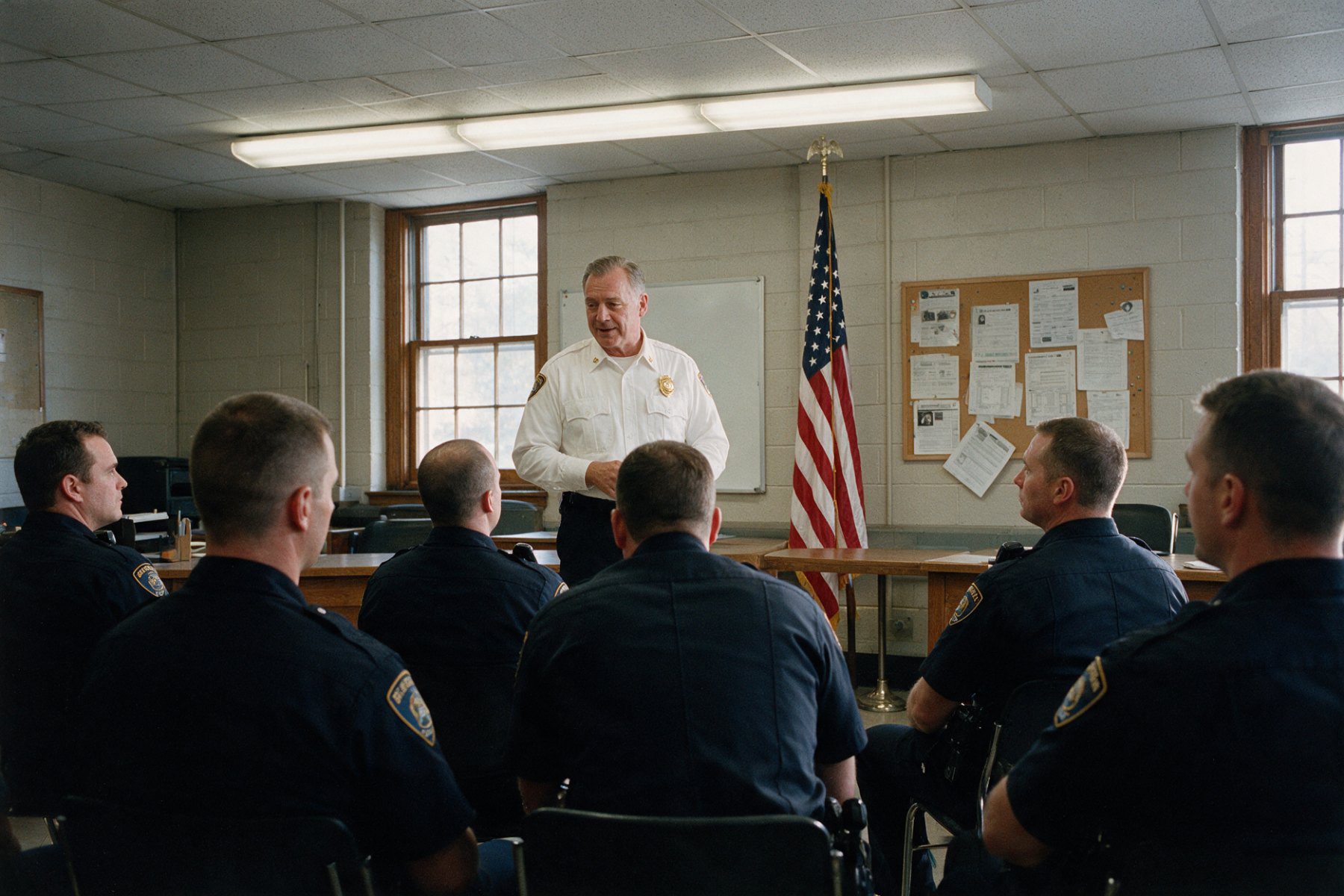
Preparing your crew
How to set up a critical incident debriefing that actually helps
- Keep it to the people who were there. A debriefing is for those directly involved. Supervisors who were not on scene usually step out, because rank changes what gets said.
- Protect the time. Take the crew out of service or arrange coverage. Likewise, silence the radios and phones.
- Say the right thing beforehand. “This is not an investigation and nothing you say goes in a report.” Then let the team take it from there.
- Make it voluntary, but expected. Attendance is encouraged. However, nobody is forced to speak.
- Plan the next 48 hours. Think about relief, rotation and who checks on the crew member who went quiet. We can help with that plan.
Confidential
Nothing from a critical incident debriefing is written down, reported to command or used in a review. Likewise, we stay strictly separate from investigations.
Not a critique
We never discuss tactics or performance. That belongs in your after-action review, which should happen separately.
No cost
Every response is free for Plymouth County agencies, because the team is volunteer and donor funded.
Outside the county?
Call anyway. We will connect you with the right regional team, or respond ourselves when we can.
Request assistance
Something happened on your shift? Make the call now.
A coordinator will talk you through the options in a few minutes. After that, we handle the rest.
24 hours a day · 7 days a week · Peer-to-peer