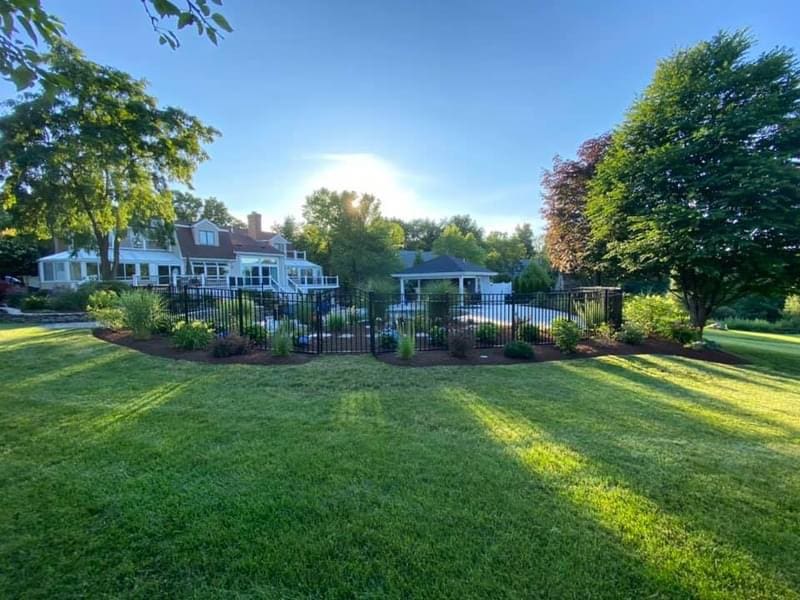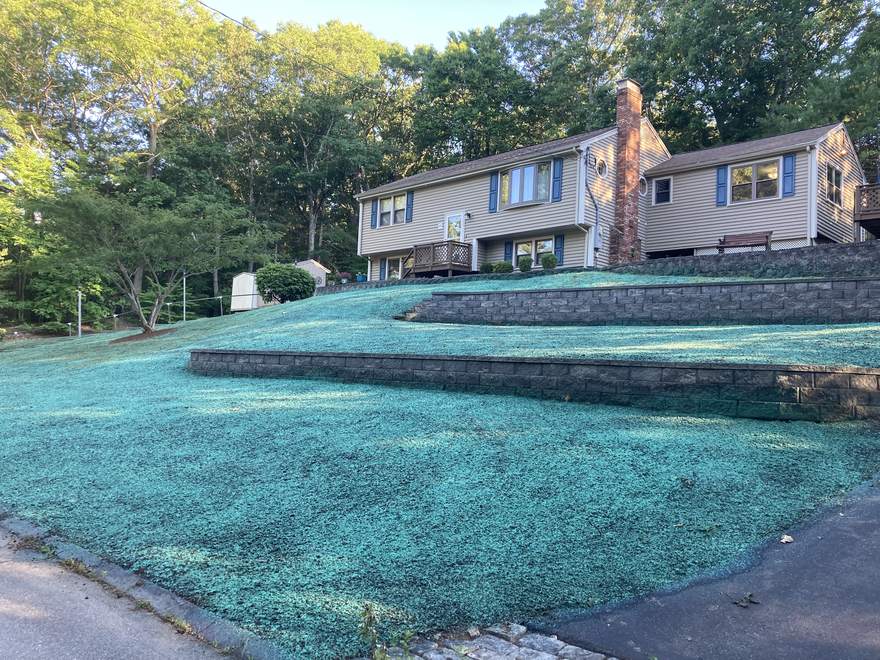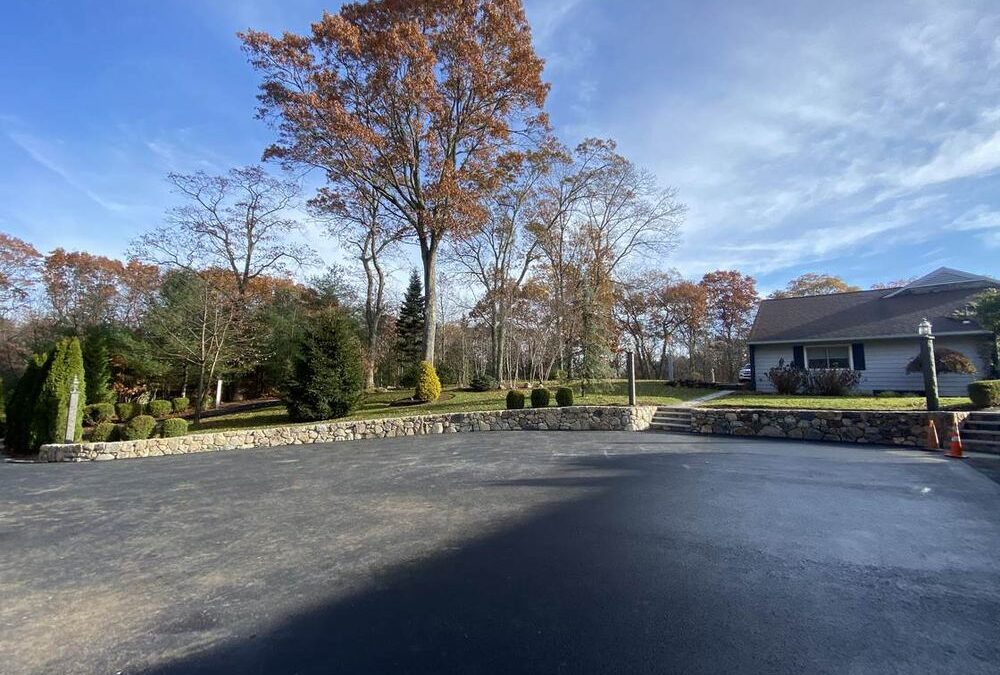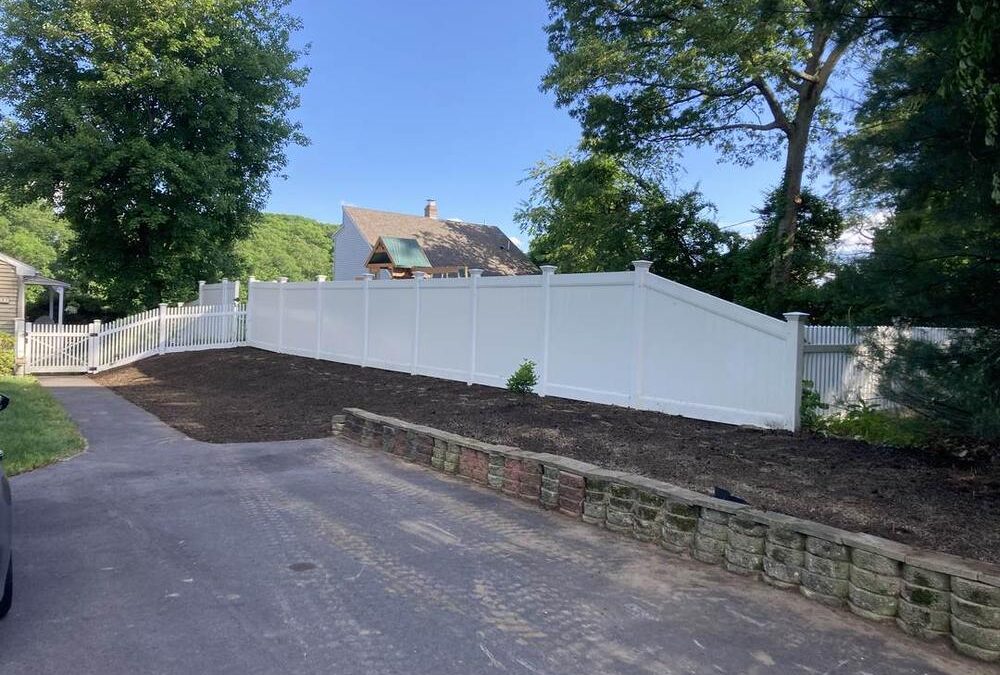
The best time to seed a lawn in Massachusetts is mid-August through late September. Soil is still warm, nights are cooling, and weeds have mostly stopped germinating, so new grass gets a six to eight week head start before the first frost. Spring is a workable second choice, but a fall seeding in Norfolk County will almost always come in thicker and hold up better through its first summer.
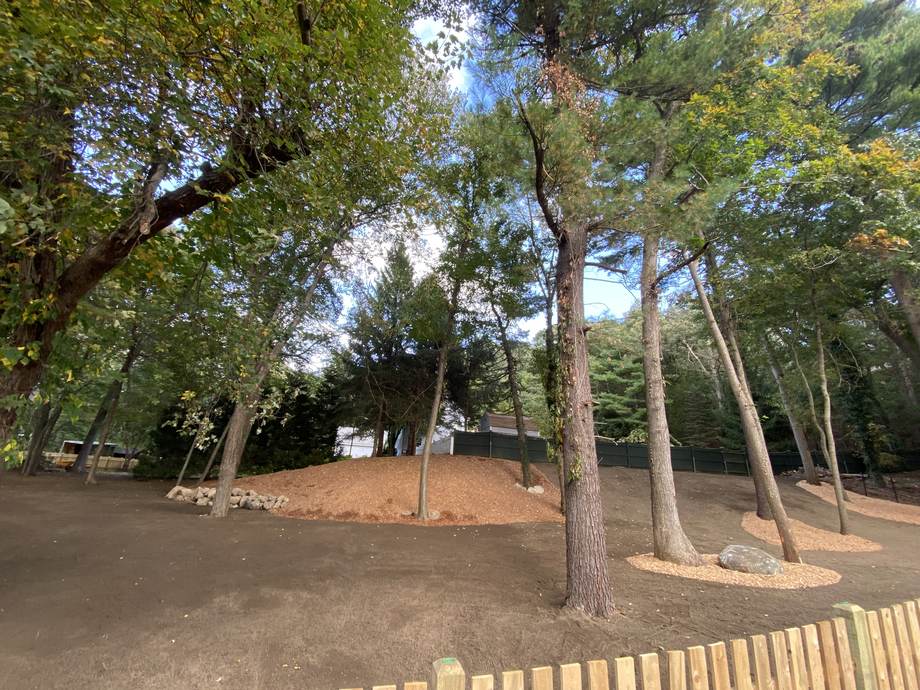
Why late summer is the best time to seed a lawn in Massachusetts
Cool-season grasses do most of their growing when air temperatures sit between 60 and 75 degrees. In Wrentham and Franklin, that window opens in late August and runs into October. Meanwhile, the soil is still holding summer heat, which is exactly what seed needs to sprout fast.
Three other reasons make fall the winner. First, crabgrass and most annual weeds stop germinating once nights drop into the 50s, so your seedlings are not fighting for space. Second, rainfall picks up and evaporation drops, so watering is easier. Finally, new grass gets two growing seasons, fall and the following spring, before it faces July heat.
The ideal window by date
- August 15 to September 15: Prime time. Seed sprouts in 7 to 14 days and roots deeply before the ground cools.
- September 15 to September 30: Still very good. Ryegrass and fescue establish fine; bluegrass gets a little tight.
- October 1 to October 15: Risky. Fast-germinating rye can work, but bluegrass often runs out of time.
- After mid-October: Too late. Wait for dormant seeding or spring.
Our average first frost in Norfolk County lands around October 10 to 15, so count backward six weeks from there. That math is why so many pros call Labor Day weekend the best time to seed a lawn in New England.
Soil temperature matters more than the calendar
Dates are a guide, but soil temperature decides the best time to seed a lawn. Cool-season seed germinates best when soil stays between 50 and 65 degrees at a 2-inch depth. In late August the soil in Foxboro is usually around 70 and dropping, which is perfect. By late October it is in the 40s, and germination slows to a crawl.
Check with a cheap soil thermometer from any hardware store. Push it 2 inches into the ground in the morning for three days in a row. If the readings average 55 or higher and are trending down, go ahead and seed. If they are trending up in spring, wait until they pass 50 consistently.
How different seed types respond
| Grass type | Germination | Best seeding cutoff |
|---|---|---|
| Perennial ryegrass | 5–10 days | Early October |
| Turf-type tall fescue | 7–14 days | Late September |
| Fine fescue | 7–14 days | Late September |
| Kentucky bluegrass | 14–30 days | Mid-September |
Because bluegrass is so slow, it needs the earliest start. A blend that leans on rye and fescue buys you an extra two weeks at the back end of the season.
Is spring the second-best time to seed a lawn?
Spring is the second-best time to seed a lawn, and sometimes it is the only option. If you finished a patio or walkway project in April and have bare dirt, you should not leave it exposed until August. Seed it in spring and plan to overseed in fall.
The trouble with spring is timing. Soil in Norfolk County does not hit 50 degrees until late April or early May. By then crabgrass is also germinating, and pre-emergent crabgrass control will block your grass seed too. In addition, seedlings that sprout in May have only six to eight weeks before June heat and drought arrive.
How to make a spring seeding work
- Seed between April 20 and May 15, once soil holds 50 degrees.
- Skip standard crabgrass pre-emergent, or use a mesotrione product labeled safe for new seed.
- Lean on tall fescue and ryegrass, which handle summer stress better than bluegrass.
- Water more often through June and July than you would for a fall seeding.
- Plan to aerate and overseed the same area in September to thicken it up.
What about seeding in summer or winter?
Summer is never the best time to seed a lawn in Massachusetts. Soil temperatures in July push past 80 degrees, seedlings dry out in hours, and crabgrass outruns everything. If you must patch a spot in summer, use sod for that area instead, or run a sprinkler three times a day and accept some loss.
Winter is a different story. Dormant seeding means spreading seed in late November or December, after the ground is too cold to germinate but before it freezes solid. The seed sits through winter, works into the soil with freeze-thaw cycles, and sprouts as soon as March soil warms. It is not as reliable as fall, but it beats waiting until May.
Dormant seeding tips for Norfolk County
- Wait until soil is below 40 degrees so seed does not sprout and then freeze.
- Rake seed into bare soil; it will not survive sitting on top of frozen ground.
- Expect 60 to 70 percent of normal germination, so bump your rate by a third.
- Skip it on slopes, because spring runoff will carry the seed downhill.
Best grass seed for Norfolk County lawns
Choosing the right seed is as important as choosing the best time to seed a lawn. Our soil around Wrentham, Plainville and Bellingham runs from sandy glacial outwash to heavy clay with plenty of rocks. Most yards also mix sun and shade under mature oaks and pines, so a blend beats a single species.
- Turf-type tall fescue (40–50%): Deep roots, drought tolerant, handles dogs and kids. Our workhorse for full sun.
- Kentucky bluegrass (20–30%): Spreads by rhizomes to heal thin spots. Needs sun and steady water.
- Perennial ryegrass (15–20%): Sprouts fast to hold soil while the others catch up.
- Fine fescue (10–20%): The only grass that thrives under oaks and along wooded lot lines.
Buy seed with a purity of 95 percent or better and a weed seed content of 0.1 percent or less. The label will list both. Cheap “contractor mix” often has 30 percent annual ryegrass, which dies after one year and leaves holes. The UMass Extension landscape program publishes seed guidance for Massachusetts if you want to dig deeper.
How to prep your yard before you seed
Seed thrown on hard, compacted ground will not do much no matter when you spread it. Good prep is the difference between a 40 percent take and a 90 percent take. Here is the order we follow on a Medway or Norfolk lawn renovation.
- Test the soil. Most Norfolk County soil is acidic, around pH 5.5. Grass wants 6.2 to 6.8, so a lime application is almost always part of the job.
- Kill or remove what is there. For a full renovation, spray weeds two weeks ahead, then dethatch or strip the dead layer.
- Loosen the top 2 to 4 inches. Core aerate for overseeding, or rototill and rake for bare ground.
- Add loam or compost. Spread a half inch of screened compost or 4 to 6 inches of loam on raw fill.
- Grade and firm. Rake smooth, fill low spots, and roll lightly so footprints sink about a quarter inch.
- Spread seed. Use a broadcast spreader at 6 to 8 pounds per 1,000 square feet for bare ground, half that for overseeding.
- Rake and cover. Lightly rake so seed sits in the top quarter inch, then cover with peat moss or a thin layer of straw.
- Apply starter fertilizer. A high-phosphorus starter like 18-24-12 gives roots a boost. Massachusetts limits phosphorus on lawns, but new seedings are exempt.
Seed rate quick reference
| Situation | Pounds per 1,000 sq. ft. |
|---|---|
| Bare soil, fescue blend | 6–8 |
| Bare soil, bluegrass heavy | 3–4 |
| Overseeding thin lawn | 3–4 |
| Dormant seeding | 8–10 |
Watering schedule for a newly seeded lawn
Water is where most seedings fail. The top half inch of soil must stay damp until the seed sprouts. After that, you coax roots deeper with longer, less frequent watering.
- Days 1–14: Water two or three times a day for 5 to 10 minutes per zone. Morning, midday and late afternoon. Never let the surface go pale and dry.
- Days 14–28: Once a day, 15 to 20 minutes, as seedlings reach 1 to 2 inches.
- Weeks 4–8: Every other day, 30 minutes, to push roots down.
- After 8 weeks: One inch per week total, from rain or irrigation, in one or two deep soakings.
In a typical September in Wrentham, rain covers about a third of that. So plan on running hoses or sprinklers most days for the first month. If you have an irrigation system, set a temporary “new seed” program and switch it back in October.
First mow and first fertilizer
Mow for the first time when the new grass reaches 3.5 to 4 inches, usually three to four weeks after seeding. Set the mower at 3 inches, make sure the blade is sharp, and mow when the ground is dry so the wheels do not tear seedlings out. Then, about four weeks after seeding, apply a second round of fertilizer at half rate. A winterizer application in mid-November finishes the season.
Overseeding vs full lawn renovation
Not every lawn needs to start from scratch. If at least half of what you see is desirable grass, overseed. If more than half is weeds, bare dirt or dead patches, renovate.
Overseeding means core aerating the existing lawn and spreading seed over it, usually in early September. It costs roughly $150 to $400 per 5,000 square feet in the Wrentham and Franklin area, and it thickens a thin lawn without disrupting the yard. It is the best time to seed a lawn that is simply tired.
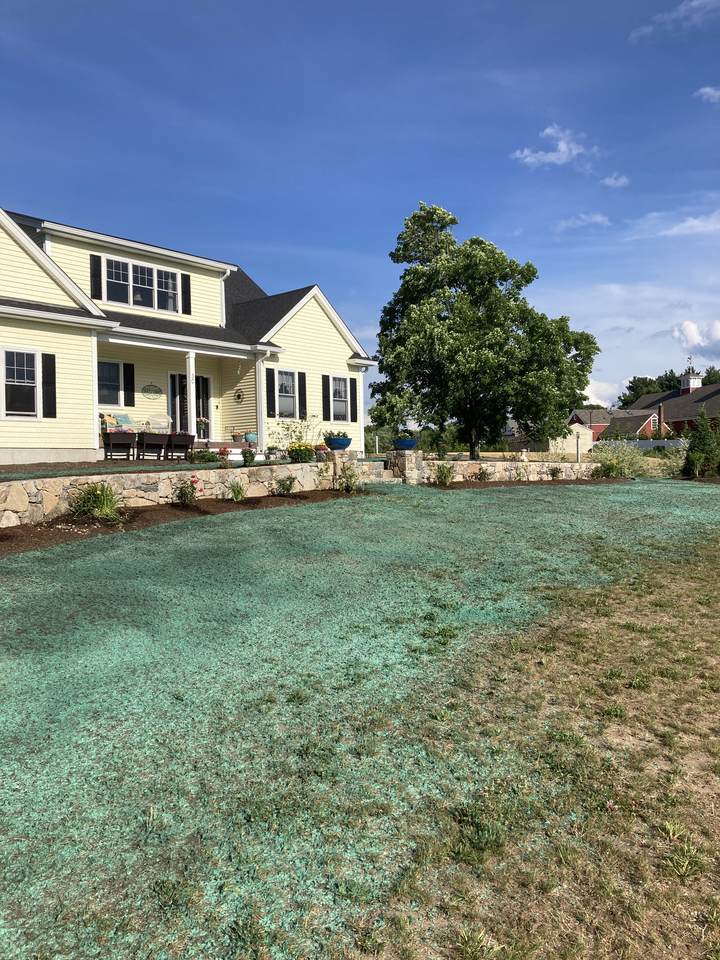
Full renovation means killing everything, adding loam, regrading and seeding fresh. Expect $0.75 to $1.50 per square foot for conventional seeding, or less with hydroseeding on larger lots. These are typical ranges for Norfolk County and vary with grading, loam depth and access.
Common mistakes to avoid
- Seeding too late. An October 20 seeding in Foxboro rarely fills in before winter. If you miss the window, wait for dormant seeding instead of wasting seed.
- Skipping soil contact. Seed sitting on thatch or hard clay will not root. Aerate or rake first.
- Burying seed too deep. A quarter inch is the target. Half an inch is too much for most seed.
- Applying crabgrass preventer. Standard pre-emergent blocks grass seed for 8 to 12 weeks. Wait until the third mow.
- Watering once a day, heavily. Seed needs constant surface moisture, not floods that wash it into puddles.
- Mowing too early or too short. Scalping a seedling lawn at 2 inches sets it back a month.
- Letting leaves pile up. A fall seeding under oaks needs a leaf blower every few days, or the seedlings smother.
When to DIY and when to hire a pro
Overseeding a few thin spots is a solid weekend project. A bag of seed, a rake and a hose will do it, and the best time to seed a lawn is the same whether you or a crew does the work. Renovating a whole yard is different, because stripping sod, hauling loam and grading a 10,000 square foot lot takes equipment and a crew.
Hire out when the lawn is mostly weeds, when grading or drainage problems are part of the picture, or when you simply cannot commit to watering three times a day for two weeks. A pro lawn installation also comes with a written plan and a follow-up visit, which is what keeps a September seeding on track.
Frequently asked questions
What is the best month to seed a lawn in Massachusetts?
September. The first half of the month is ideal in Norfolk County. Late August is nearly as good, and the last week of September still works for fescue and rye blends.
Can I seed a lawn in October in Massachusetts?
Early October can work with a ryegrass-heavy blend, but results drop off fast. After October 15, switch to dormant seeding in late November or wait for spring.
How long does grass seed take to grow in the fall?
Ryegrass sprouts in 5 to 10 days, fescue in 7 to 14, and bluegrass in 14 to 30. A blended lawn looks mostly filled in at four to six weeks.
Should I fertilize when I seed?
Yes. Use a starter fertilizer at seeding, a half-rate feeding four weeks later, and a winterizer in mid-November. Skip weed-and-feed products until the lawn has been mowed three times.
Is it too late to seed if the leaves are falling?
Usually not. Leaves start dropping around Wrentham in early October, which is still inside the window for rye and fescue. Just keep the seedbed clear with a blower until the grass is up.
Get a free written estimate for your fall seeding
The fall window is short, so the best time to seed a lawn is also the busiest time of our year. Ten Four Landscape & Construction seeds, overseeds and hydroseeds lawns across Wrentham, Norfolk, Franklin, Foxboro, Plainville, Medway and Bellingham, and Seth is on every job. Call (508) 505-5416 or request a free written estimate online to lock in a September date.